
The surface of the Earth is covered with the atmosphere, oceans, and land, and preserving these environments is indispensable for creating a sustainable human society. However, human activities have caused significant changes in the climate, including rising average temperatures, frequent extreme weather events, sea-level rise, and damage to ecosystems and food production.
In 2015, the Paris Agreement—an international framework for climate change mitigation—was adopted, calling on countries around the world to further accelerate efforts to reduce greenhouse gas emissions. Japan set a goal of achieving net-zero greenhouse gas emissions by 2050 and adopted a national “Climate Emergency Declaration.”
The Earth System Division was established in April 2021 in line with the start of NIES’ 5th Medium- to Long-Term Plan. Under the Sixth Medium- to Long-Term Plan, which began in April 2026, we are advancing research aimed at mitigating climate change and improving air quality on a global scale. Through this work, we seek to provide the scientific foundation for international climate policy and contribute to achieving the 1.5°C target by promoting air quality improvement and climate stabilization.
We also work closely with the Center for Global Environmental Research—established in 1990 and responsible for long-term monitoring and database development—and with the Satellite Observation Center, which operates the Greenhouse gases Observing SATellite (GOSAT) series, to further enhance the sophistication of our research.
As the Earth System Division, we turn commitment into action and science into solutions. Dedicated to advancing scientific studies that contribute to global environmental conservation, we apply the latest scientific knowledge to help overcome the climate emergency and realize a sustainable global environment.
Our research activities and findings will be disseminated more rapidly and broadly than ever before. Scientific insights and data are also actively supplied to international frameworks such as the United Nations Framework Convention on Climate Change (UNFCCC) and the Intergovernmental Panel on Climate Change (IPCC).
Through these efforts, we aim to contribute to the realization of the sustainable global environment and resilient human society.
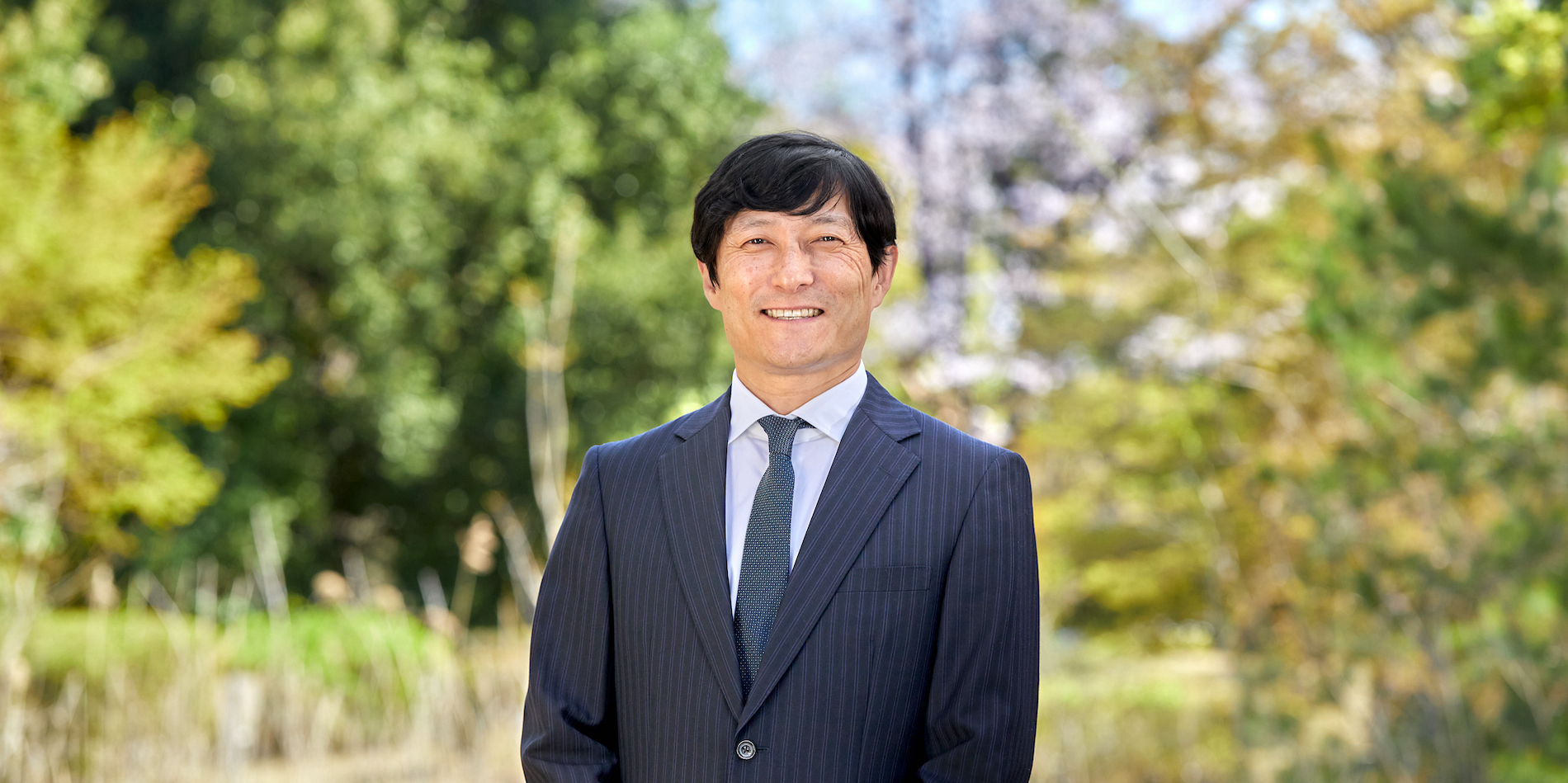
Hiroshi TANIMOTO
Director
April 2026