A3 Workshop Report: Beijing
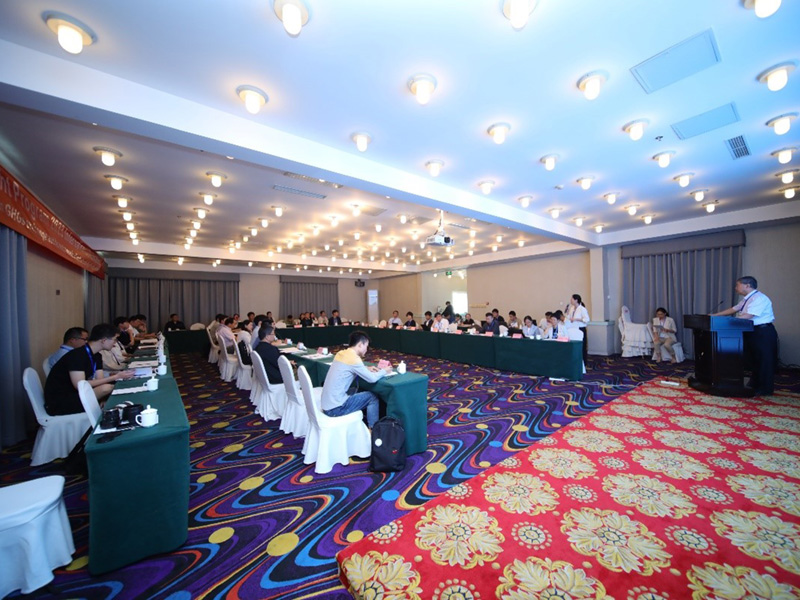
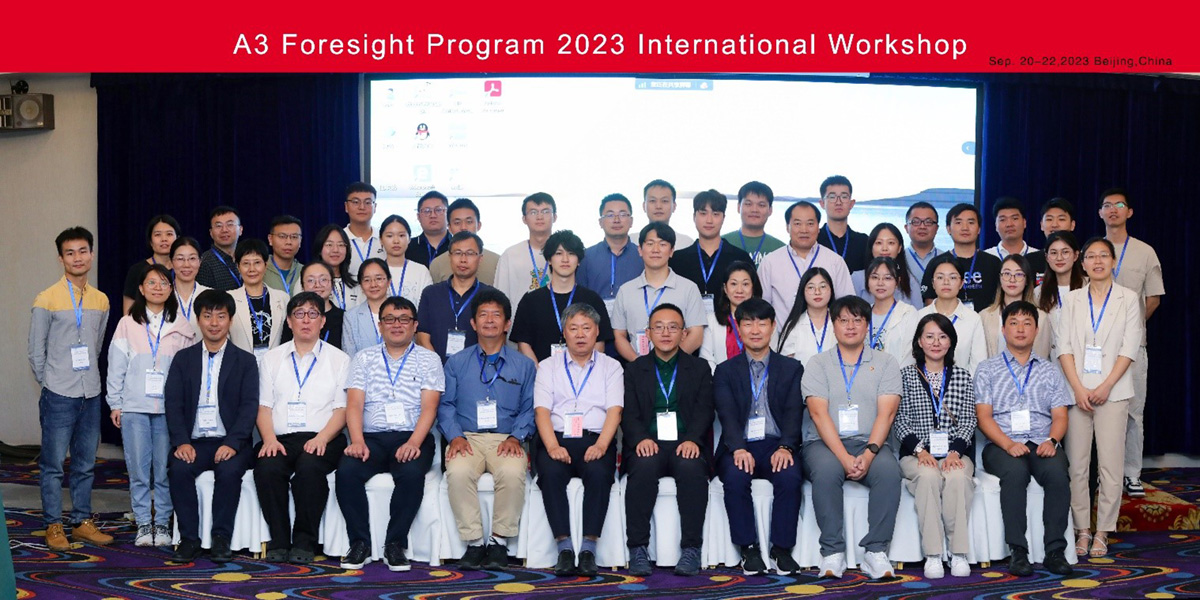
Following the workshop in Busan, Republic of Korea, in April, another workshop was held in late September in Beijing, China, at a hotel near the Chinese hub institution, the Institute of Geographic Sciences and Natural Resources Research, Chinese Academy of Sciences. About ten researchers each from Japan and the Republic of Korea participated again. At that time, obtaining an entry visa was still mandatory for travel between Japan and China, and the preparatory work was quite burdensome; nevertheless, many researchers on the Japanese side expressed a strong desire to attend. Although this A3 program was affected by the COVID-19 pandemic at its launch, we felt that it is now steadily getting on track.
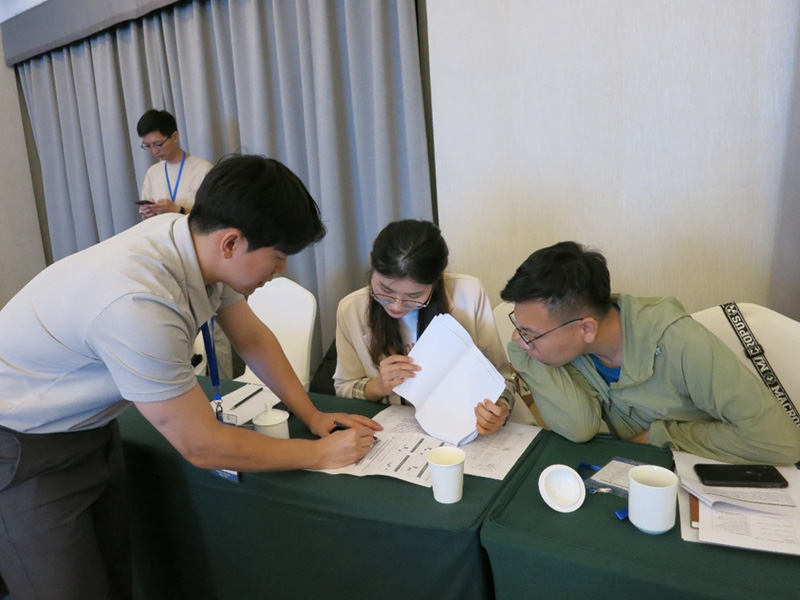
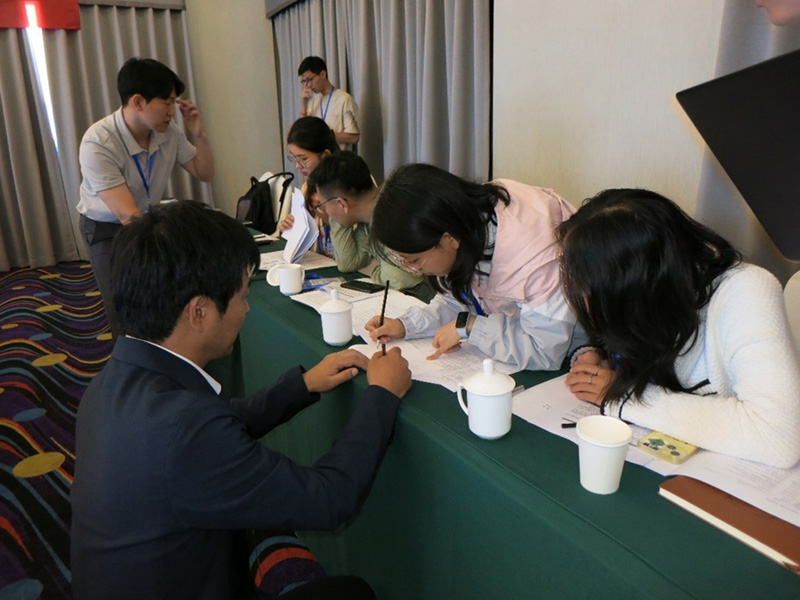
In the first half of the workshop, in addition to the core members, early-career researchers actively introduced their respective research activities. Many presentations included the latest unpublished results, and some early-career researchers stood out for their enthusiasm to advance exchanges in what felt like a “live research setting,” different from an open academic conference. There were also reassuring moments, such as early-career researchers providing direct guidance to student presenters.
In the second half of the workshop, we worked on selecting key themes that will serve as the focus of future research exchanges and on identifying specific lead researchers in each country for each theme. Major themes for the time being included: (1) establishing a data-sharing framework for integrated analyses; (2) strengthening collaborative structures in numerical modeling research; and (3) exchanging and verifying technical know-how in observational studies, including environmental manipulation experiments. In addition to these theme-based exchanges, we also discussed a plan to dispatch early-career researchers to partner countries for a certain period (around one to two months) to conduct visiting research. Through such stays, the program aims not only to exchange knowledge and techniques but also to foster young researchers jointly. These mutual visiting-research opportunities for early-career researchers will make a major contribution to strengthening collaboration among researchers within this A3 program, and will be a joint effort—leveraging each country’s strengths—to enhance the capabilities of next-generation leaders with a view to the next decade and beyond. For this as well, the three countries will share information and accumulate procedural know-how so that the sending and hosting sides can coordinate smoothly.
On the final day, we visited a flux observation tower located in the Olympic Park in Beijing. In recent years, redevelopment in central Beijing has been progressing rapidly, and we were able to directly feel a significant reduction in air pollution due to improvements in the transportation system and the rapid spread of electric buses and electric bikes. Urban greening efforts are also being actively promoted, and these appear to be expected to provide various functions—not only improving the landscape, but also purifying pollutants, mitigating the heat-island effect, and absorbing carbon. In evaluating such vegetation functions, the flux observation system installed in this vast green space seems to be accumulating useful data.